The Development of Aluminum Spreading Techniques
Over the years, different cutting-edge methods have transformed light weight aluminum casting, substantially enhancing its efficiency and precision. The advancement started with typical sand casting techniques, which, while effective, usually caused variances in surface area coating and dimensional precision. The introduction of die spreading in the mid-20th century allowed for faster production prices and enhanced high quality, as molten light weight aluminum was required right into mold and mildews under high pressure, decreasing porosity and boosting information.
Further innovations included investment spreading, which offered even better tolerances and intricate designs. The emergence of computer mathematical control (CNC) innovation also revolutionized mold and mildew design, enabling suppliers to create complex geometries with amazing accuracy. Today, additive production techniques, such as 3D printing for producing molds, get on the surge, permitting for quick prototyping and lowered lead times. On the whole, these improvements have greatly influenced the aluminum casting process, satisfying a broader series of commercial applications.
Advantages of Aluminum in Manufacturing
Aluminum has come to be a favored product in manufacturing as a result of its distinct mix of homes that boost performance and effectiveness across different applications. Its lightweight nature enables minimized energy intake throughout transport and assembly, making it an economical selection for lots of markets. In addition, aluminum shows exceptional corrosion resistance, making certain long life and minimizing upkeep costs.
ght ratio enables the production of strong yet light-weight components, which is especially valuable in fields such as automobile and aerospace. Light weight aluminum additionally supplies excellent thermal and electrical conductivity, making it ideal for a selection of industrial applications, including electronic devices and heat exchangers.
Moreover, light weight aluminum's malleability permits elaborate designs and easy fabrication, helping with the production of complicated forms without compromising architectural stability (Aluminum Foundry). These advantages jointly add to light weight aluminum's growing prominence in modern production procedures, driving innovation and enhancing item efficiency throughout a wide variety of sectors
Developments in Aluminum Spreading Technology
As developments in producing modern technology proceed to advance, advancements in light weight aluminum casting have emerged, boosting performance and accuracy in manufacturing processes. Amongst these innovations is the introduction of sophisticated simulation software program, which enables manufacturers to model the casting procedure basically. This innovation enables the prediction of potential defects and enhances mold and mildew layout, ultimately reducing product waste. Furthermore, the advancement of new alloys has increased the series of applications for light weight aluminum castings, enhancing mechanical residential or commercial properties and corrosion resistance.
The adoption of 3D printing for mold production has actually reinvented the casting procedure, allowing the creation of complicated geometries that were formerly unattainable. This change not just reduces lead times but likewise promotes modification in production. In general, these developments add greatly to the quality and convenience of aluminum castings, placing them as a crucial part in the future of producing technology.
Effect On Production Efficiency and Price Reduction
While the development of aluminum spreading innovations presents various benefits, its most significant influence depends on boosting manufacturing efficiency and driving price decrease. By streamlining the spreading process, suppliers can create complicated elements with better rate and accuracy, significantly decreasing waste. Advancements such as high-pressure die spreading and progressed mold designs enable quicker cycle times and enhanced dimensional accuracy, which decrease rework and scrap rates.
Moreover, the lightweight nature of aluminum adds to lower transport expenses and energy consumption throughout production. Therefore, producers can achieve significant economic situations of scale, eventually decreasing the per-unit cost of items. The capacity to produce top notch castings in bigger amounts additionally allows firms to respond even more quickly to market demands - aluminum casting. These efficiency gains and expense financial savings position light weight aluminum casting as a competitive benefit in the production landscape, promoting additional financial investments in innovation and capacity growth
Applications of Light Weight Aluminum Spreading Throughout Industries
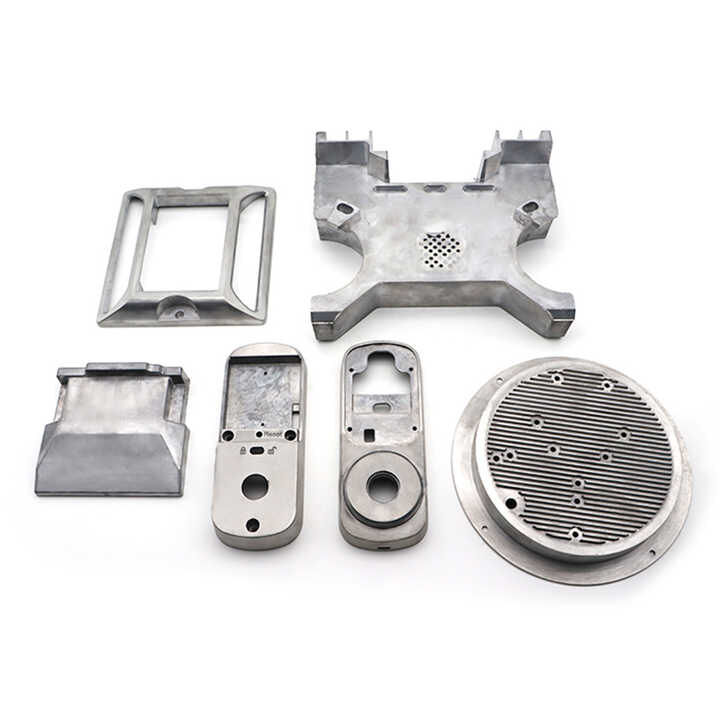
The adaptability of light weight aluminum spreading has actually led to its prevalent fostering across different markets, taking advantage of the advantages of lightweight, durable components. In the automotive industry, aluminum spreadings are made use of for engine blocks, transmission housings, and wheels, adding to fuel performance and efficiency. The aerospace industry utilizes light weight aluminum spreadings for architectural parts, where weight decrease is important for flight effectiveness. Furthermore, the customer electronics sector leverages light weight aluminum casting for tool housings and elements, enhancing longevity while preserving a smooth layout. The building and construction industry also takes advantage of aluminum spreadings, using them in home window frameworks and architectural components that need both stamina and visual allure. Moreover, the clinical field uses light weight aluminum spreadings for tools and tools, where accuracy and integrity are extremely important. Overall, the diverse applications of aluminum casting throughout these markets show its important role ahead of time modern manufacturing practices.
The Future of Light Weight Aluminum Spreading in Manufacturing
Innovation in aluminum casting technology assures to improve producing processes in the coming years. Breakthroughs such as 3D printing and computer-aided layout are improving manufacturing, enabling much more complicated geometries and reduced waste. The assimilation of automation and robotics improves performance, allowing makers to create top quality components with very little human intervention. In addition, the growth of new aluminum alloys enhances toughness and durability, increasing the potential applications in sectors like aerospace and automotive.
As sustainability ends up being a top priority, reusing abilities within light weight aluminum spreading will certainly improve, lessening ecological impact. The execution of clever manufacturing strategies, including IoT and data analytics, will certainly better optimize manufacturing workflows and upkeep techniques. These developments not just boost functional performance however also lower expenses, making light weight aluminum casting an also more appealing alternative for manufacturers. Eventually, the future of aluminum spreading holds promise for innovation, sustainability, and improved competition in the global market.
Frequently Asked Concerns
What Safety Steps Are Entailed in Light Weight Aluminum Casting Processes?
Safety steps in aluminum casting procedures include protective equipment, proper ventilation, training on equipment use, routine maintenance of machinery, surveillance of liquified metal temperatures, and adherence to safety and security methods to avoid accidents and guarantee worker wellness.

Exactly How Is Light Weight Aluminum Spreading Ecologically Lasting?
Light weight aluminum casting is ecologically sustainable as a result of its recyclability, power efficiency, and lowered greenhouse gas exhausts. Using recycled aluminum considerably reduces the power needed for manufacturing, decreasing ecological influence while conserving natural deposits.
What Are Usual Problems in Aluminum Castings?
Usual problems in light weight aluminum castings include porosity, contraction, misruns, cool shuts, and incorporations. These concerns can occur from incorrect temperature control, inadequate mold and mildew design, or contamination, impacting the overall quality and integrity of the end product.
Can Light Weight Aluminum Casting Be Recycled?
Yes, aluminum spreading can be reused. The recycling procedure decreases power consumption and ecological impact, allowing for the reuse of aluminum in new items. This sustainability aspect improves its allure in various manufacturing markets.
What Industries Primarily Utilize Aluminum Casting?
Light weight aluminum casting is mainly used in the automobile, aerospace, durable goods, and electronic devices industries. These sectors profit from light weight aluminum's light-weight, corrosion-resistant homes, enhancing item efficiency, effectiveness, and durability across various applications and parts.
Over the decades, different cutting-edge techniques have actually transformed aluminum casting, considerably website boosting its efficiency and precision. As developments in producing technology proceed to progress, advancements in aluminum spreading have arised, boosting effectiveness and precision in production procedures. While the advancement of light weight aluminum spreading innovations introduces various advantages, its most notable impact lies in enhancing manufacturing performance and driving price reduction. The aerospace sector uses light weight aluminum spreadings for architectural parts, where weight reduction is important for flight efficiency. Aluminum casting is eco lasting due to its recyclability, energy efficiency, and minimized greenhouse gas emissions.